








































































































































































































Welcome

Barcode Technologies Ltd and RFID Technologies - newly launched RFID web site - www.rfid-uk.com - UK's leading provider, for over 30 years, of products & solutions in barcode & RFID data capture and AutoID and mobile computing systems with comprehensive range of Barcode & RFID printers, Barcode & RFID scanners as well as Barcode & RFID Handheld Mobile Computers  to address all your automatic identification and data capture and critical data management needs to maximise efficiency and profitability for your company.

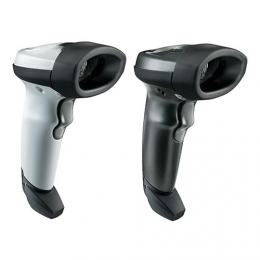
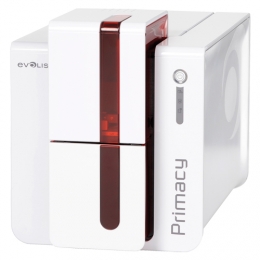
As a total solutions provider, Barcode Technologies offers a full range of wireless solutions, PDA / mobile computers, Barcode scanning equipment, Barcode printers, ID card printers, Barcodes verifiers, Barcode labels, Barcode printer ribbons, RFID printers, RFID Handheld Mobile Computers,  RFID tags and RFID Readers. We aim to offer our customers best value and prices, with fast delivery with same day shipping and easy to use website.

READ MORE

News & Latest Insights – Barcode & RFID Technologies

View All
Top selling UHF RFID Hardware Readers & Printers are Zebra Technologies, Honeywell,...

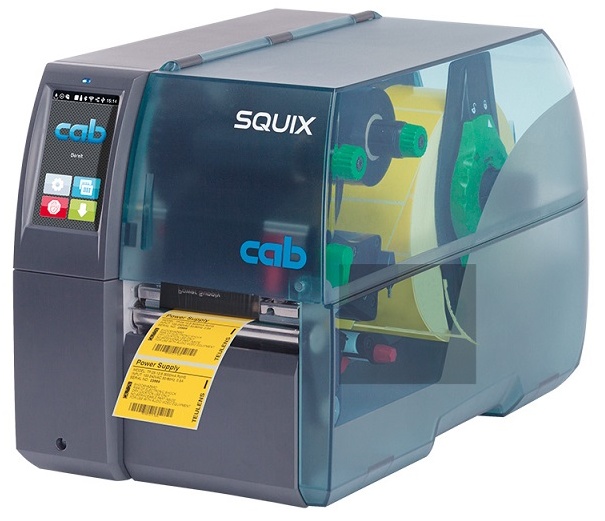
top-selling UHF RFID hardware (readers and printers) is dominated by a few key manufacturers, based on market reports, industry analyses, and sales indicators as of early 2026. The UHF RFID market (especially for readers and printers) continues to grow strongly, driven by retail, logistics, manufacturing, and inventory management applications. Zebra Technologies stands out as the clear market leader for both categories, frequently cited as holding significant share (e.g., around 18% in UHF reader deployments in some estimates) due to its rugged, enterprise-grade solutions and broad portfolio. Top UHF RFID Readers - The leading players in UHF RFID readers (fixed, handheld, and portal types) include: Zebra Technologies — Widely regarded as the top vendor for rugged, high-performance readers (e.g., models like FX9600 fixed readers and RFD series handhelds). They excel in logistics, retail, and industrial use, with strong enterprise adoption. Impinj — A major leader in high-performance fixed readers and chipsets (e.g., R700 series), often used in scalable, high-density environments like warehouses and retail. Honeywell — Strong in industrial and logistics applications, with reliable UHF readers. Other notable mentions: Alien Technology, Chainway (popular handhelds like C72), and emerging or regional sellers like Yanzeo (hot in B2C/Amazon sales for affordable models). Handheld models from brands like Zebra, Chainway often appear in "best of 2025" guides for inventory and warehouse use, with features like long read ranges (10–30m) and high tag reads per second. Fixed readers from Zebra and Impinj dominate enterprise deployments. Top UHF RFID Printers - UHF RFID printers (which encode tags while printing labels) are led by: Zebra Technologies — The dominant player, with popular models like ZT series (e.g., ZT421, ZT610), ZD621R, and others frequently listed as top choices for industrial and desktop use. They offer high reliability, speed, and integration. SATO — Strong contender with models like CL4NX Plus series (UHF versions), popular for logistics and retail labeling. TSC — Affordable and reliable options like T800 series. Other players: CAB (e.g., SQUIX UHF), Honeywell, and Avery Dennison (more tag-focused but with printer integrations)....

Read More
What are the major impications and benefits of UHF RFID Technologies using AI and IoT...

Using UHF RFID Integrated with AI and IoT - UHF (Ultra-High Frequency) RFID technology enabling long-range, non-contact identification and data capture. When integrated with AI (Artificial Intelligence) for data analysis and IoT (Internet of Things) for connectivity, it creates smart systems capable of real-time monitoring, automation, and predictive insights. This convergence is transforming industries like supply chain, logistics, manufacturing, retail, and healthcare by linking physical assets to digital networks. Major Benefits: The integration offers numerous advantages, primarily in efficiency, cost savings, and enhanced decision-making. Here's a breakdown: Real-Time Visibility and Tracking: UHF RFID provides longer read distances (up to 10-15 meters) and faster data transfer, allowing instant location and status updates for assets, inventory, or products. Combined with IoT sensors, this enables continuous monitoring, reducing manual checks and errors. AI analyses this data to predict issues like stock-outs or delays, improving supply chain responsiveness. Cost Reduction and Operational Efficiency: Automation minimises labour costs by enabling bulk reads (hundreds of tags simultaneously) without line-of-sight. IoT integration automates processes like inventory replenishment, while AI optimises routes and resource allocation, leading to lower operational expenses and less waste. For instance, in warehouses, this can cut inventory holding costs by 20-30% through accurate, real-time data. Improved Security and Fraud Prevention: AI-enhanced RFID detects anomalies, such as unauthorised movements or counterfeit items, via pattern recognition. IoT adds layers of encryption and secure data transmission, making systems highly interoperable yet protected against tampering. This is particularly valuable in asset management, reducing theft and ensuring compliance in regulated sectors like pharmaceuticals. Quality Assessment and Sustainability: In food and manufacturing, sensor-integrated UHF RFID tags capture environmental data (e.g., temperature, humidity), which AI processes for quality predictions using models like neural networks. This enables timely interventions, extending shelf life and minimising spoilage. Broader sustainability benefits include optimised resource use, reduced emissions through efficient logistics, and transparent supply chains that support eco-friendly practices....

Read More
What are the major impications and benefits of RFID Technologies using AI and IoT will...

How the integration of Radio Frequency Identification (RFID) technologies with Artificial Intelligence (AI) and the Internet of Things (IoT) transforms traditional tracking into an intelligent, proactive system . While RFID provides real-time, non-line-of-sight identification of items, IoT connects these devices for continuous monitoring, and AI analyzes the resulting vast data to automate decisions, predict trends, and optimise operations. Major Benefits of RFID + AI + IoT Integration: Unprecedented Inventory Accuracy & Visibility: The combination allows for nearly 99.9% inventory accuracy, with real-time tracking of assets, inventory, and equipment throughout their lifecycle. This visibility reduces stock-outs by 16% and speeds up replenishment. Predictive Analytics and Demand Forecasting: AI analyses historical and real-time RFID data to forecast demand, reducing overstock/stock-outs and optimising stock rotations. Operational Automation & Efficiency: AI-driven systems automate routine tasks like inventory audits, reordering, and stock placement, freeing human labour for higher-value activities. Enhanced Loss Prevention & Security: The system detects abnormal activities, such as theft or unauthorised, in real-time, flagging potential shrinkage immediately. Improved Customer Experience & Personalised Retail: In retail, AI-powered RFID enables "walk-out" shopping experiences, reduces manual checkouts, and provides tailored product suggestions based on customer interaction with items. Enhanced Quality Control & Traceability: In food and pharmaceutical industries, this technology enables end-to-end traceability, monitoring expiration dates and environmental conditions (e.g., temperature) to ensure compliance and safety. Major Implications and Future Trends: Shift from Reactive to Proactive Operations: The combination moves businesses from simply knowing "what" is where to understanding "why" it is there and predicting "what" to do next. Rise of "Smart" Logistics and Warehousing: AI-driven, RFID-enabled robots are becoming common for automated picking, packing, and pallet assembly, significantly increasing productivity. Integration with Edge Computing: To handle the massive volume of data generated, AI is increasingly deployed at the "edge," processing data closer to the source (readers) to reduce latency and improve......

Read More